About Me
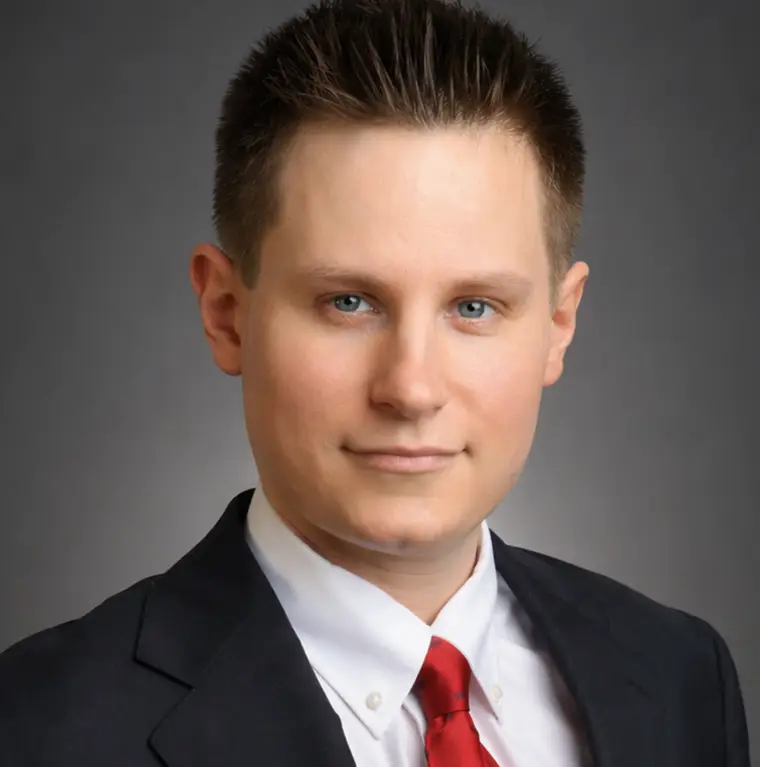
I am a U.S. citizen and cybersecurity consultant focused on ServiceNow SecOps, Vulnerability Response, client-facing delivery, and security operations workflows.
My strongest value is helping technical teams and business stakeholders turn security findings into clear ownership, remediation work, validation, documentation, and closure.
Core distinction: I combine real operational responsibility, cybersecurity education, and client-facing ServiceNow delivery experience. I am strongest where technical security work needs to become organized, executable, and accountable.
My Path#
My career path has not been traditional.
Before moving into cybersecurity, I spent 4 years and 8 months as a building engineer with Accesso Services, supporting operations at a major Class A commercial office building in Philadelphia.
That experience shaped how I think about operations, accountability, risk, communication, and follow-through. Building systems only become visible to most people when something fails. A good operator works behind the scenes to prevent problems, coordinate the right people, document work, and restore service when issues happen.
That mindset now carries into how I think about cybersecurity and ServiceNow SecOps.
Operational Foundation#
Building engineering gave me real exposure to operational responsibility.
I supported environments involving:
- HVAC systems
- pumps
- chillers
- electrical rooms
- fire and life-safety systems
- building controls
- access-controlled spaces
- tenant work orders
- contractor coordination
- preventive maintenance
- operational continuity
This background is one reason I am interested in OT/ICS security and cyber-physical risk.
In operational environments, cybersecurity recommendations cannot ignore uptime, safety, access, maintenance windows, vendor activity, change coordination, recovery, and real-world constraints.
Cybersecurity Education#
After building operations, I made a deliberate career shift into cybersecurity.
I completed a B.S. in Cybersecurity Analytics & Operations at Penn State, graduating Cum Laude with a 3.88 GPA.
My academic work covered incident response, malware analysis, digital forensics, governance, risk, privacy, software development, cloud concepts, HCI, and OT/ICS security.
That education gave me technical range. The stronger story is how that foundation connects to professional delivery.
Wipro and ServiceNow SecOps#
At Wipro, I worked as a cybersecurity consultant supporting a ServiceNow Vulnerability Response client engagement.
That project showed me what cybersecurity consulting looks like in practice. The work was not just about a platform. It involved stakeholder coordination, requirements support, user story tracking, RAID management, delivery visibility, UAT support, training support, go-live readiness, and communication between client stakeholders, consultants, and offshore developers.
I learned that successful cybersecurity implementations are delivery achievements as much as technical achievements.
A good consultant has to understand the client environment, communicate clearly, track work, challenge weak assumptions when necessary, and make sure technical implementation supports the actual business process.
Why ServiceNow#
I chose ServiceNow because many organizations are good at finding vulnerabilities, but struggle to turn those findings into accountable remediation.
The harder problem is turning vulnerability data into:
- clear ownership
- remediation work
- prioritization
- validation
- exception handling
- reporting
- closure
- accountability
That is why ServiceNow SecOps and Vulnerability Response interest me.
My long-term interest is especially connected to operational environments where security work needs to respect uptime, safety, maintenance windows, asset ownership, and recovery constraints.
What Makes Me Different#
I am not positioning myself as only a developer.
Development skill matters, and I continue to build technical depth. But my strongest professional lane is consulting, delivery, and security workflow translation.
I am strongest when I can:
- communicate with clients
- lead or support meetings
- prepare agendas and status updates
- understand technical requirements
- translate complex security concepts clearly
- coordinate across technical and business teams
- track delivery work
- support UAT
- connect technical findings to business outcomes
- turn security findings into operational action
That is the value I want this portfolio to show.
Current Focus#
ServiceNow SecOps#
Security operations workflows, Vulnerability Response, vulnerable item lifecycle, remediation ownership, validation, exception handling, and closure.
Primary Focus
Client-Facing Delivery#
Stakeholder communication, requirements translation, project coordination, UAT support, documentation, and delivery execution.
Primary Value
OT/ICS Security#
A developing specialty built on building operations experience, cyber-physical risk awareness, and academic ICS/SCADA exposure.
Developing Specialty
Short Version#
I bring together three things:
- Real operational responsibility from building engineering.
- A strong Penn State cybersecurity foundation.
- Client-facing ServiceNow Vulnerability Response delivery experience.
My goal is to help organizations translate security findings into clear workflows, accountable remediation, and operational outcomes.